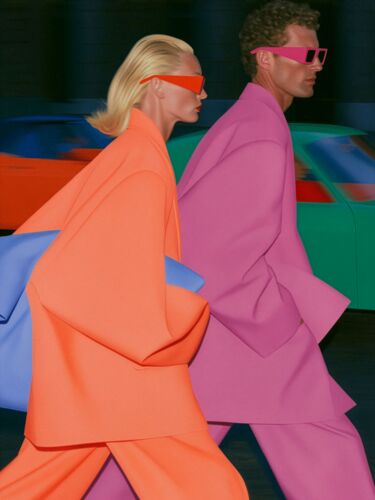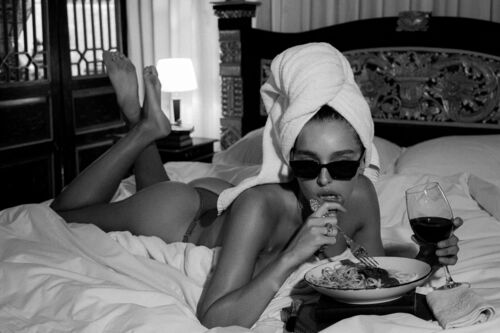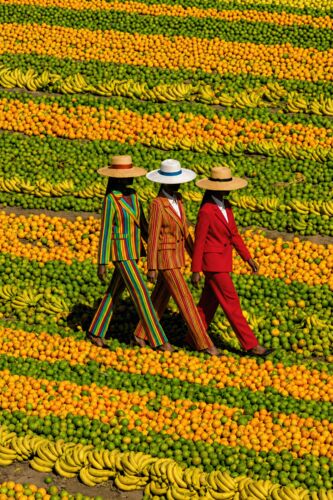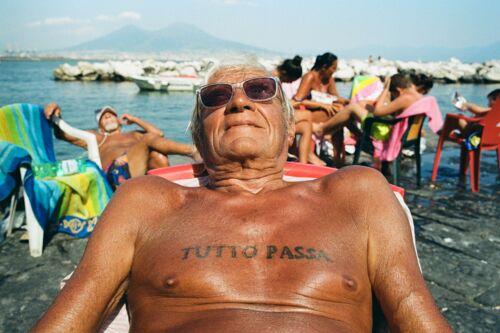
Marta Bevacqua
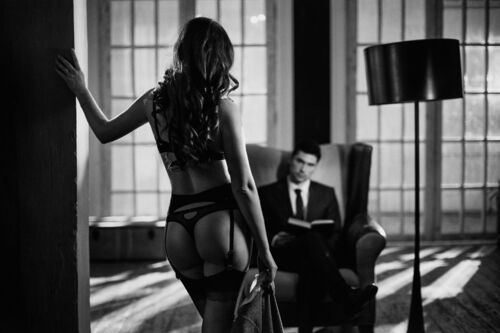
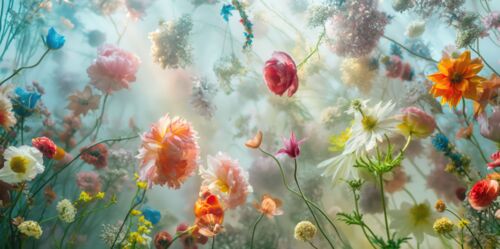
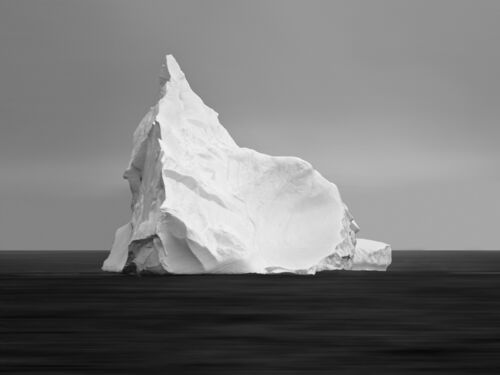
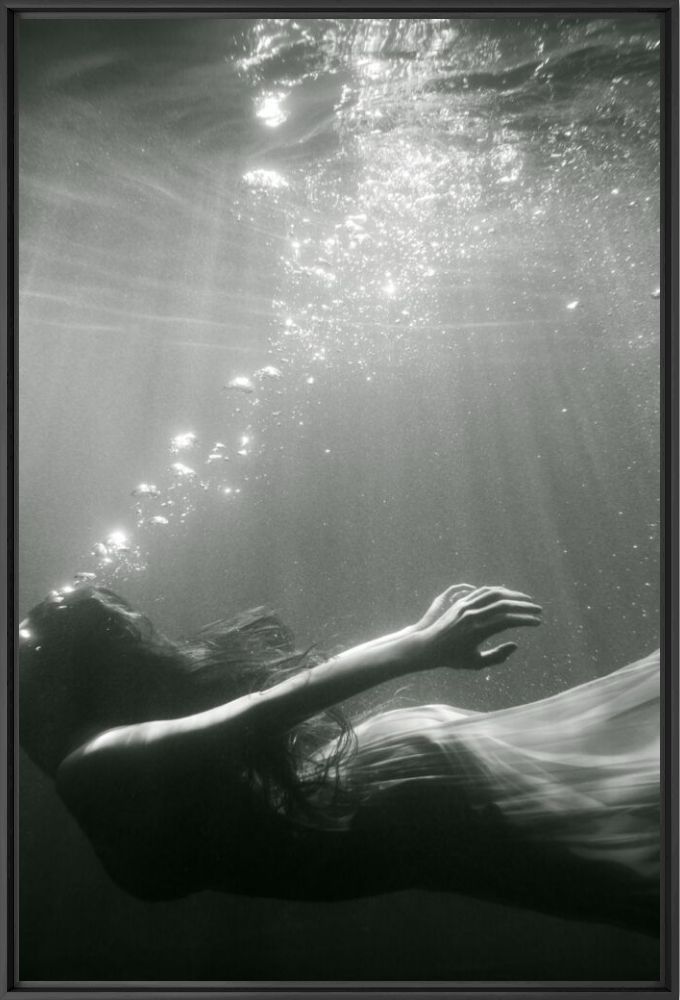
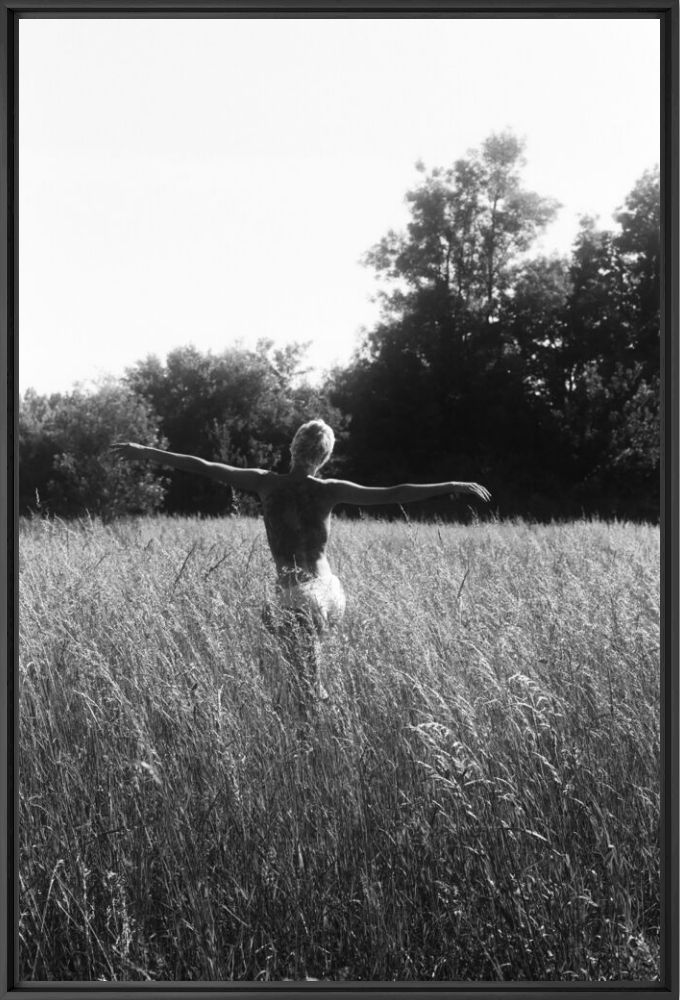
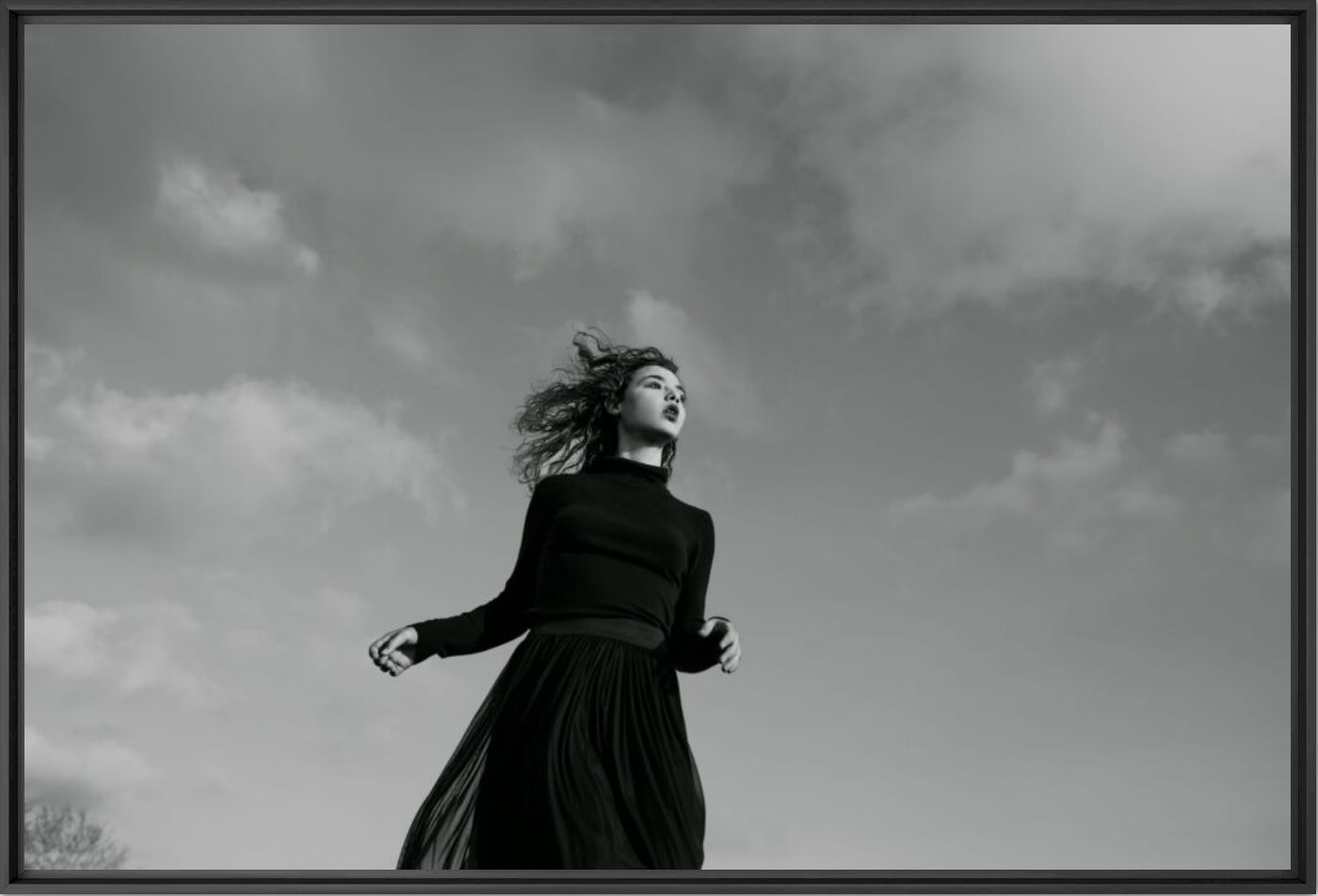
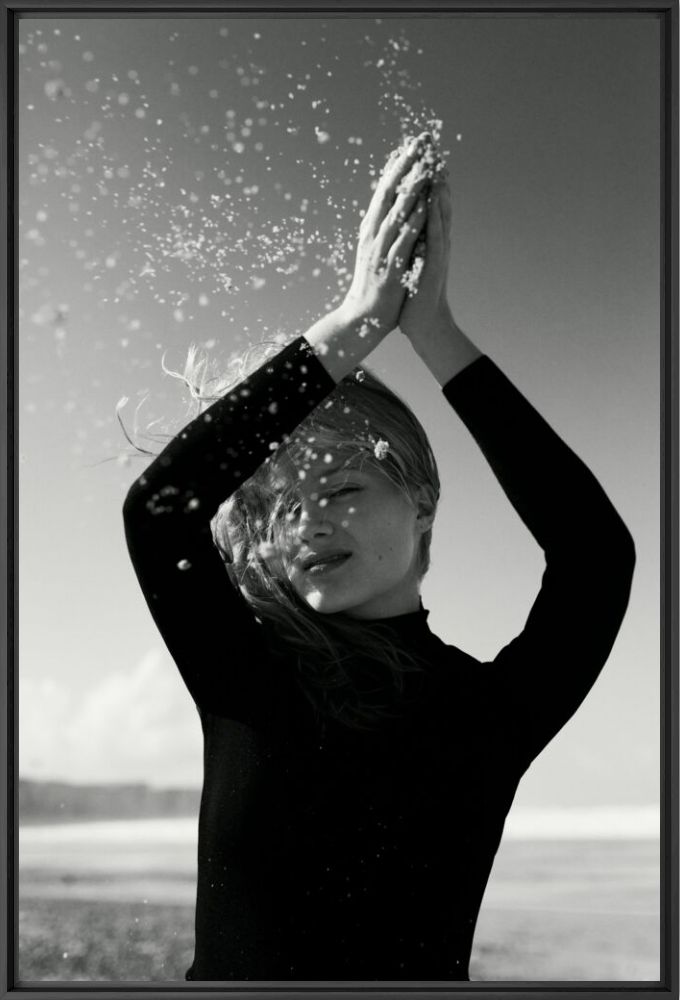
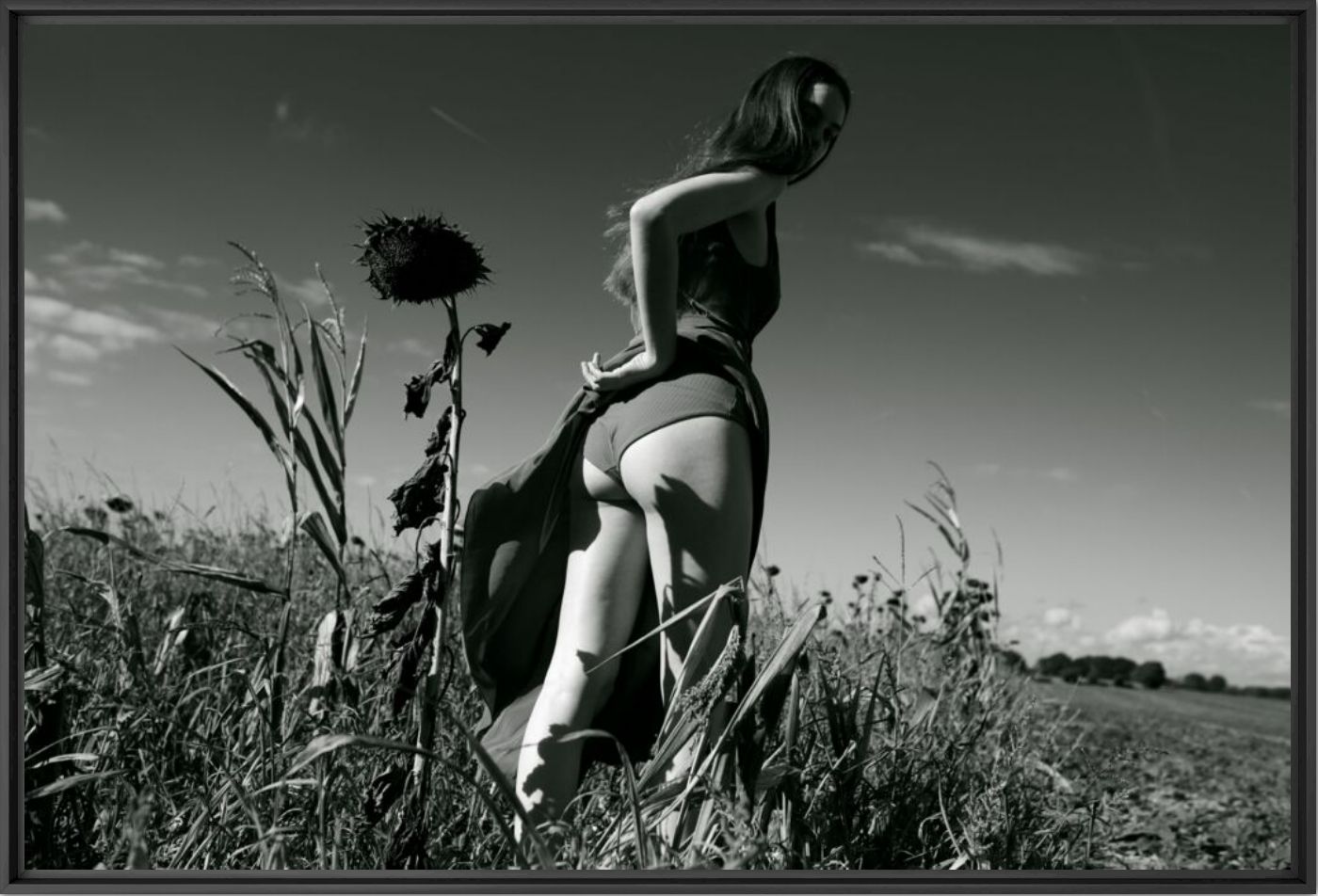
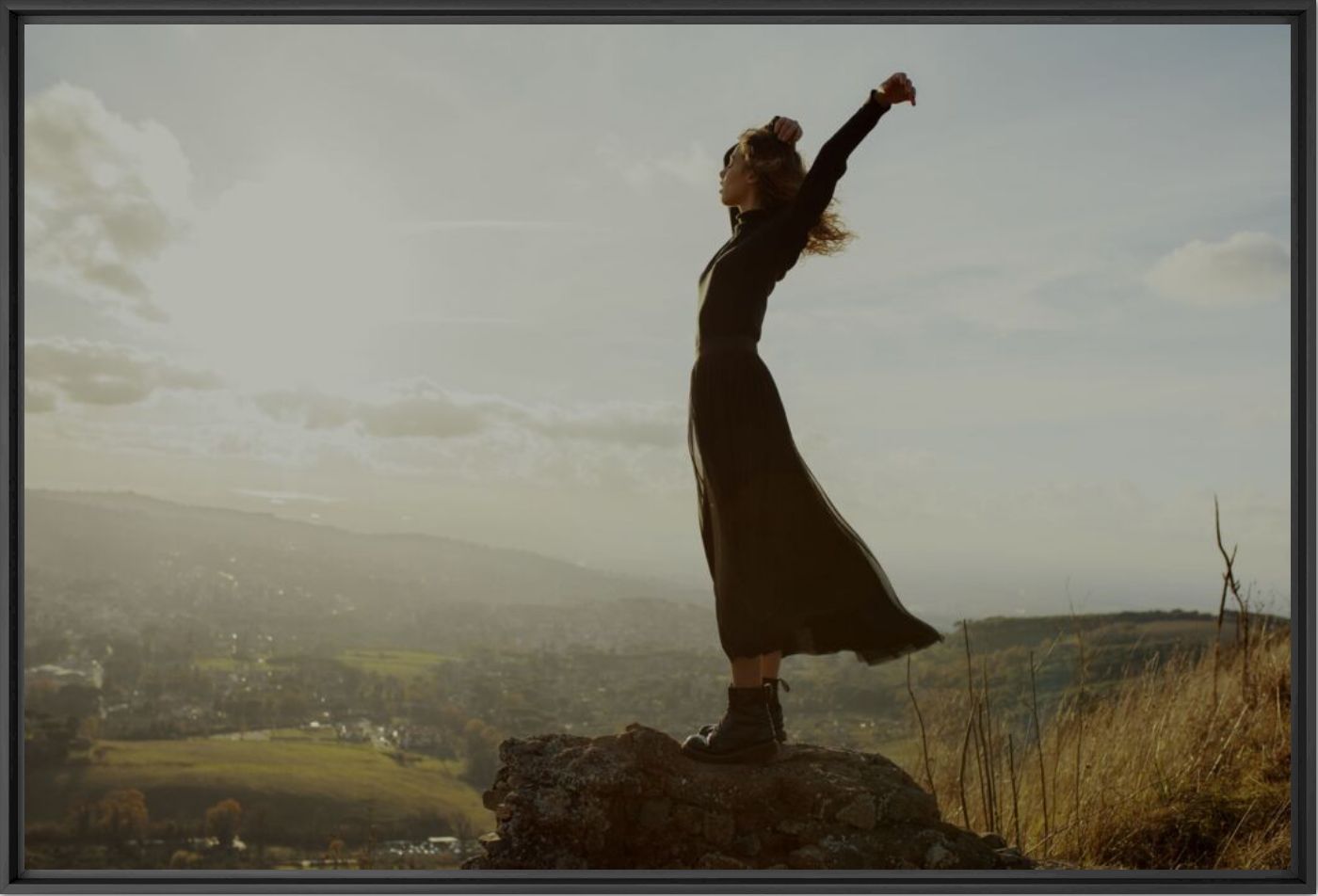
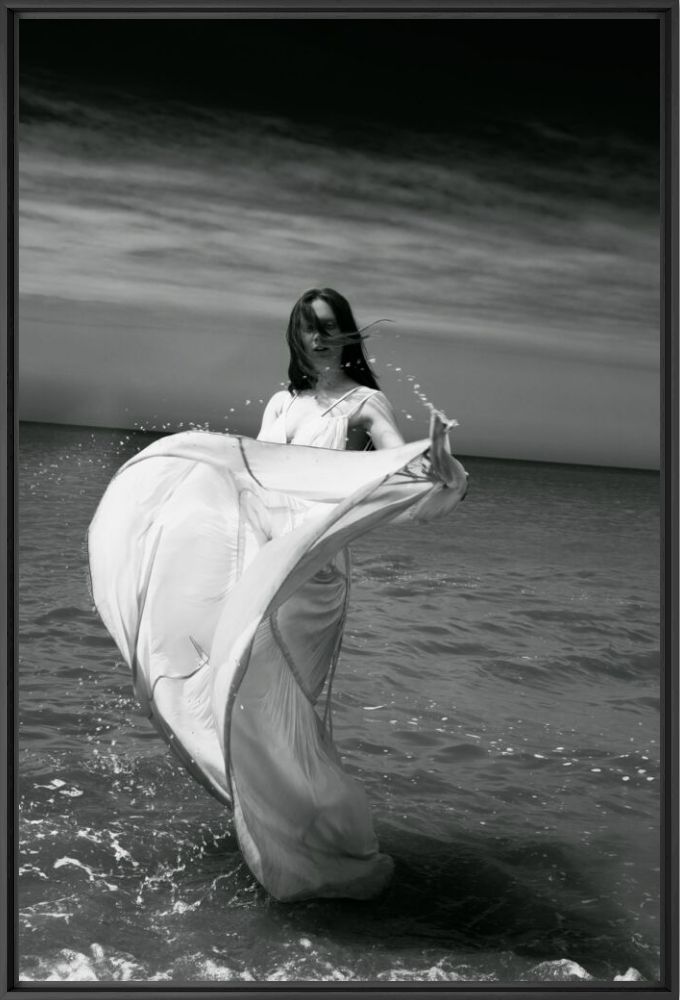
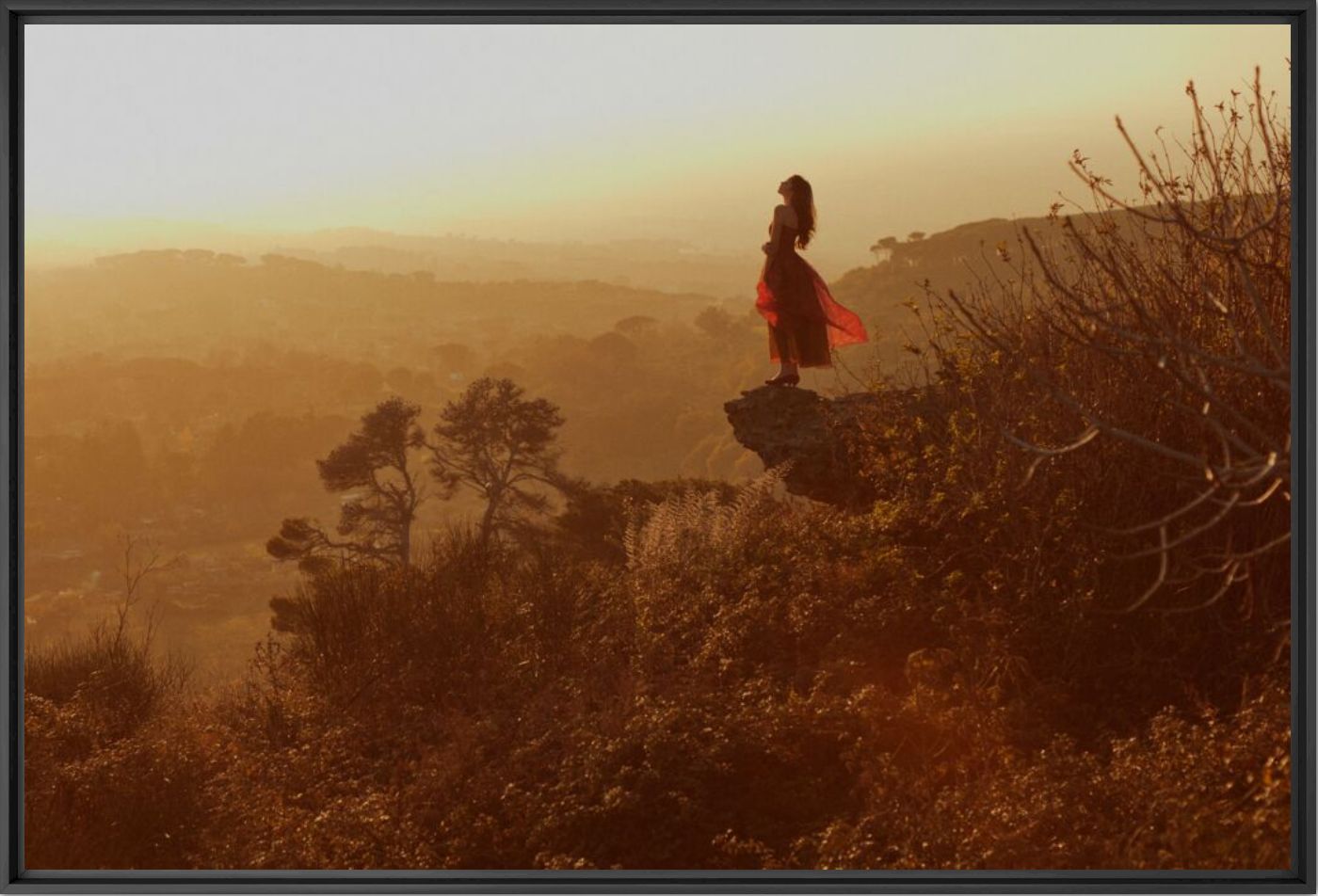
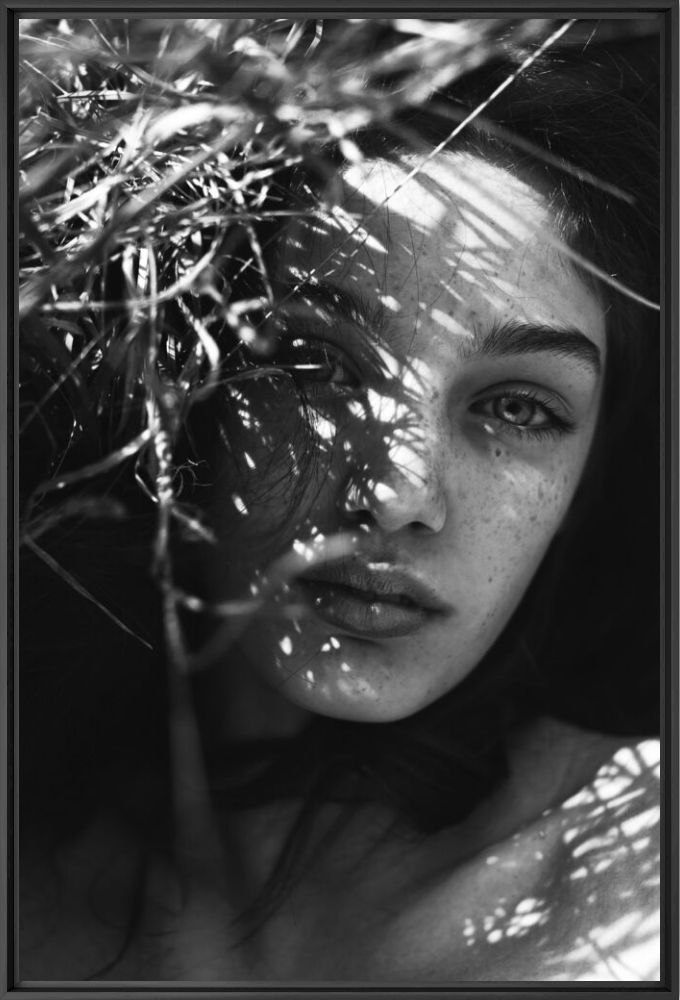
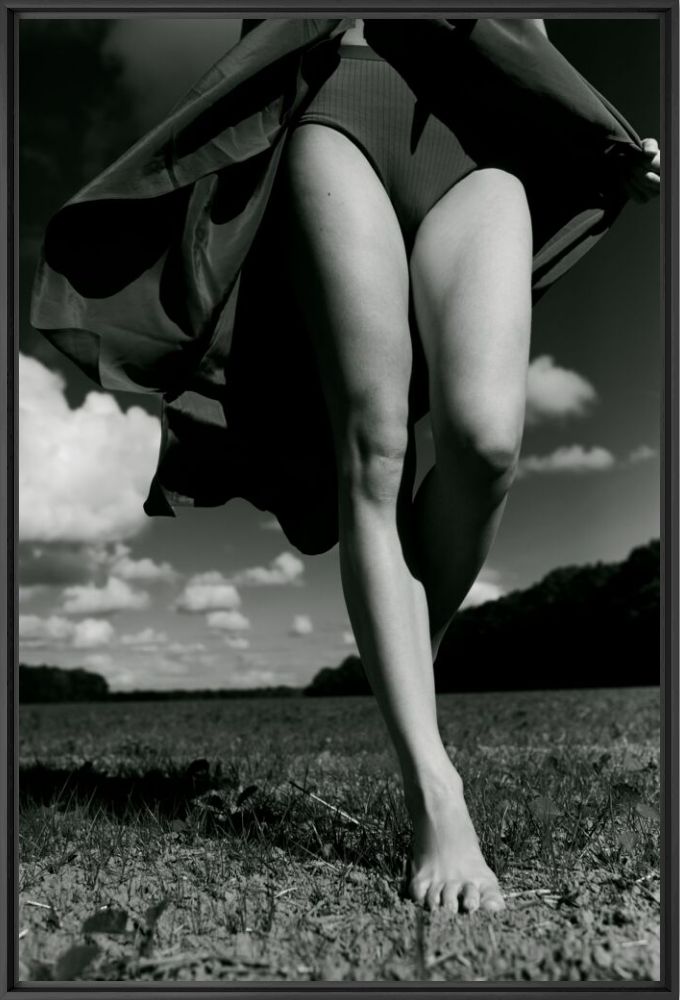
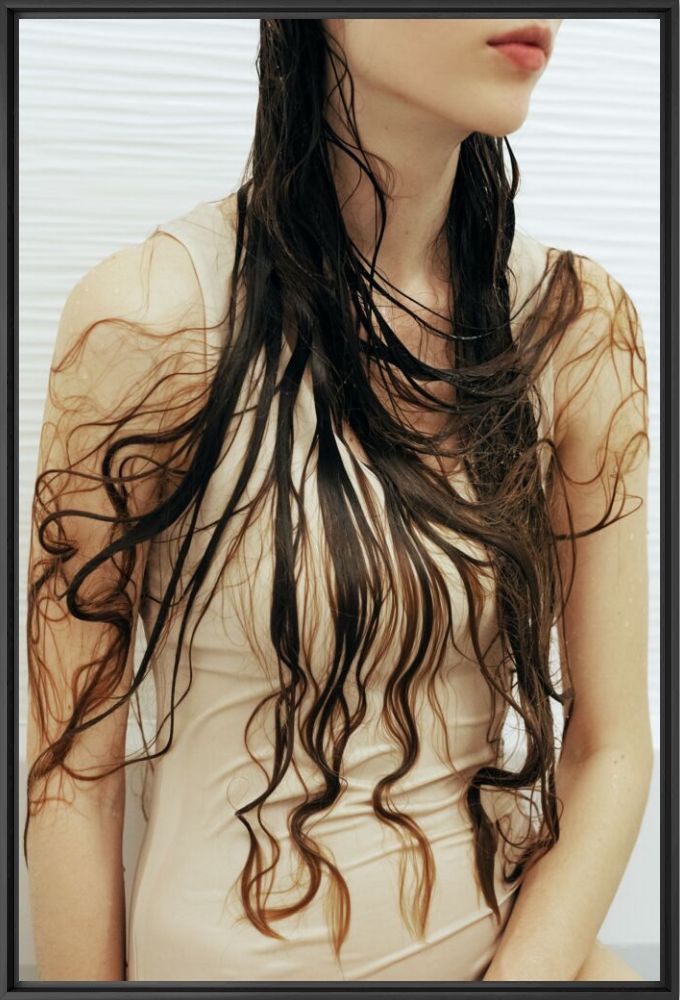
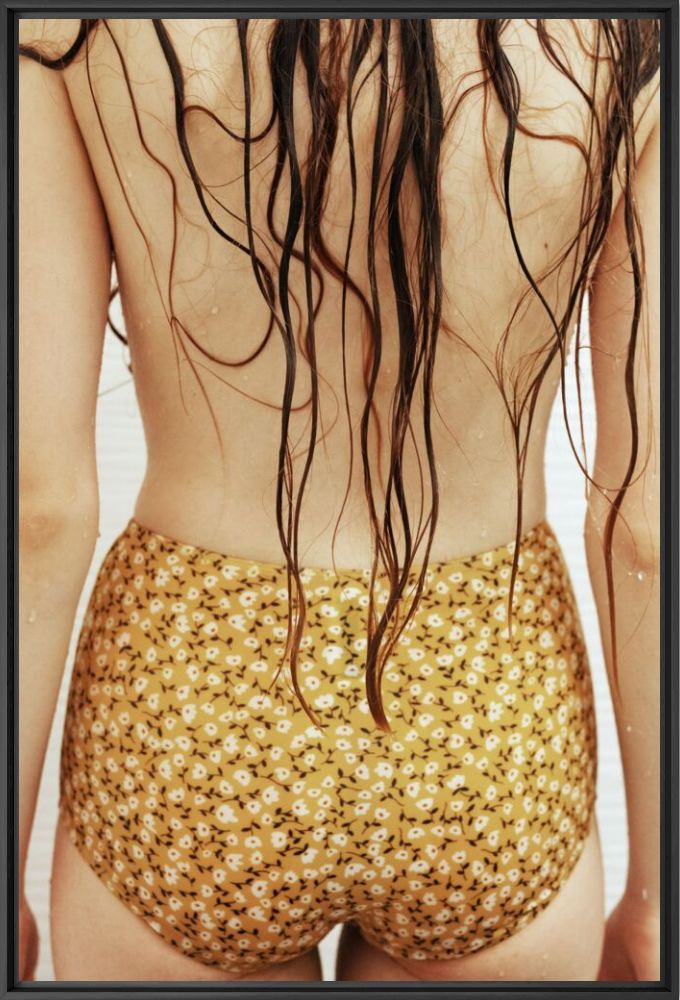
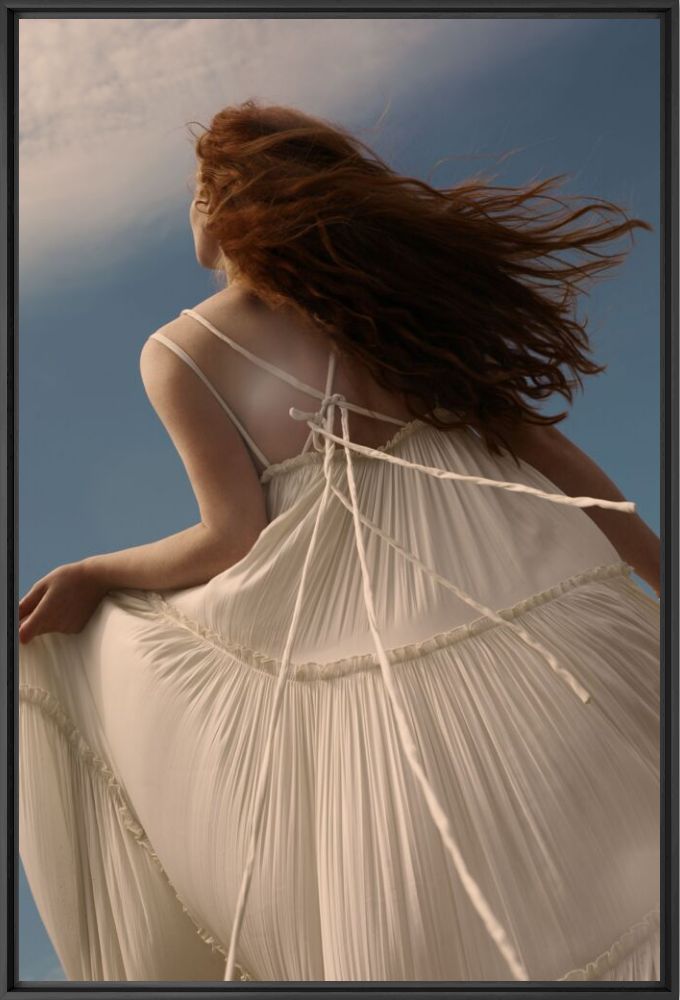
"It’s pure aesthetics. It takes so little to let our imaginations run wild, and that can do us a world of good. I hope to offer a glimpse of what lies on “the other side”: a dreamlike world, not necessarily a happy one, but a very profound one built on beauty."
Marta BevacquaMarta Bevacqua is an Italian photographer whose work blends artistic sensibility with the demands of contemporary fashion. She discovered photography in high school while creating images for an online role-playing game, a formative experience that marked the beginning of her passion. After getting her start in the Roman countryside, she trained in London, then developed her first editorial projects in Milan before settling in Paris in 2014. There, she built an international career, collaborating with brands such as Dior, Vichy, and La Perla, and publications like Vogue and Harper’s Bazaar. At the same time, she explored video and personal projects, establishing a unique visual universe that is both intimate and cinematic.
... See more See lessInterview
1. Does photographing a woman as a woman actually change anything in the relationship with the subject, or in what happens during the shoot?
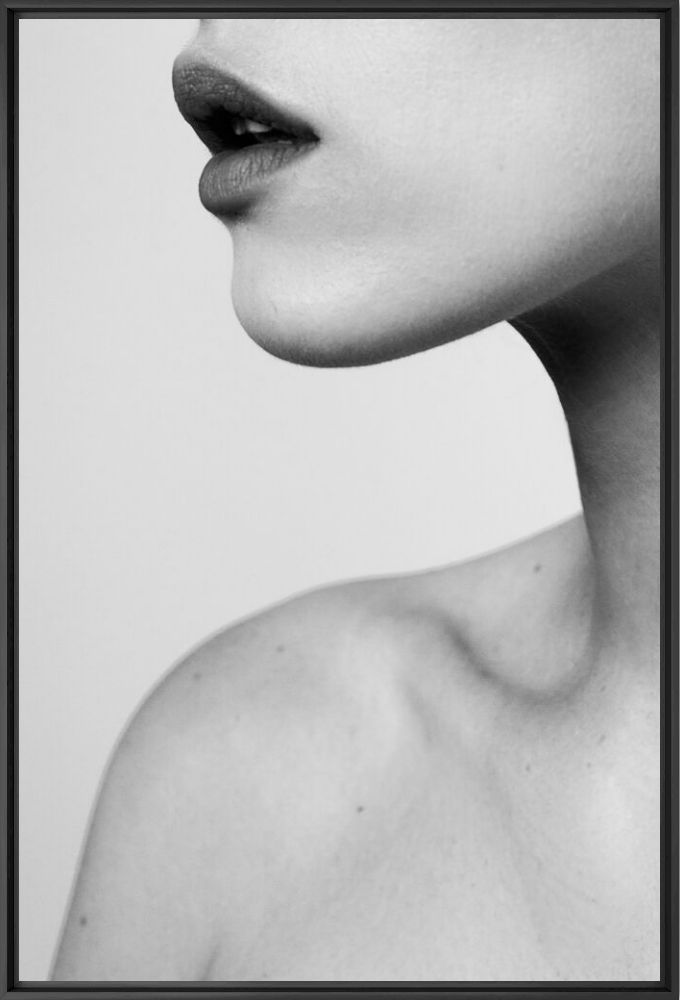
I think so, especially when it comes to nude photography. It’s true that models are, in most cases, professionals, but I believe they’re inevitably more comfortable with a woman. Even when changing clothes or just chatting before or after the shoot, I find that the relationship between women can add something to the final result (not always, but in most cases).
2. Are there visual codes inherited from the male gaze on women that you have consciously sought to dismantle, or, on the contrary, to appropriate?
Not necessarily. I view the body (clothed or not) as our vessel, but that doesn’t come about as a way to dismantle a male gaze, nor to appropriate it. It’s more my way of seeing things, but I’ve never felt particularly guided by the gazes of men—or women, to be honest.
3. What has your own body, your own experience as a woman, contributed to the way you frame, direct, and choose a moment?
I certainly have a respect for another woman’s individuality—the things she doesn’t like about herself or the way she prefers to be treated. I don’t know if that comes from my experience as a woman; I’ve always been very free and fairly self-assured. I think it’s more of a sensitivity between women.
4. Do you see yourself in what you photograph, or is it precisely the distance between you and the subject that interests you?
It’s the stories that can emerge when looking at my photos—stories that belong to the audience. So yes, it’s more the distance that interests me, but not between me and the subject. It’s mainly a gap between me and the emotion I hope to evoke.
5. Do you think there’s a distinct “feminine gaze,” or is that a concept you find reductive?
No, I think men can have a feminine gaze, and women can have a masculine gaze. Ultimately, it’s something that depends on who we are, not our gender
6. What is your view on fashion photography?
There are a lot of things I don’t like, but it’s true that fashion photography can be very creative. I think it offers a lot of opportunities to express one’s creativity as an artist.
7. What does it allow us to express about women, their bodies, their freedoms…?
There’s still work to be done, perhaps, but I hope to see women who are free—women who can dress and present themselves as they wish, without shame over their “flaws” or the stares of others.
8. What is the difference between the images of a female fashion photographer and those of a male fashion photographer?
I think female photographers are more delicate, regardless of the subject.
9. What are you trying to express through fashion photography?
Quite simply, my creativity and my sensitivity, by telling imaginary stories linked to emotions.