Tips and Advice for Capturing Stunning Night Photos of the Eiffel Tower
Master the art of light and capture the magic of Paris by night
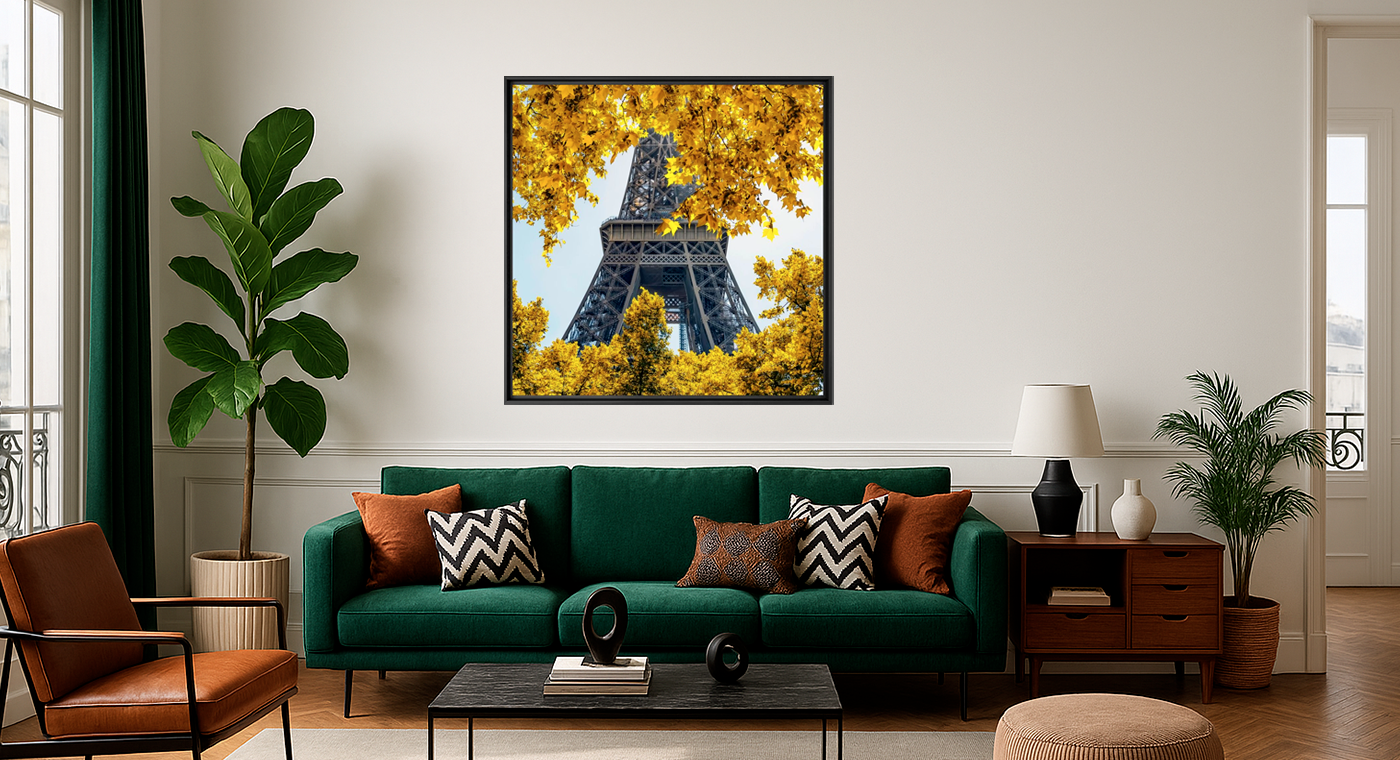
The advantages and challenges of photographing the Eiffel Tower at night
Illuminations and nocturnal atmosphere
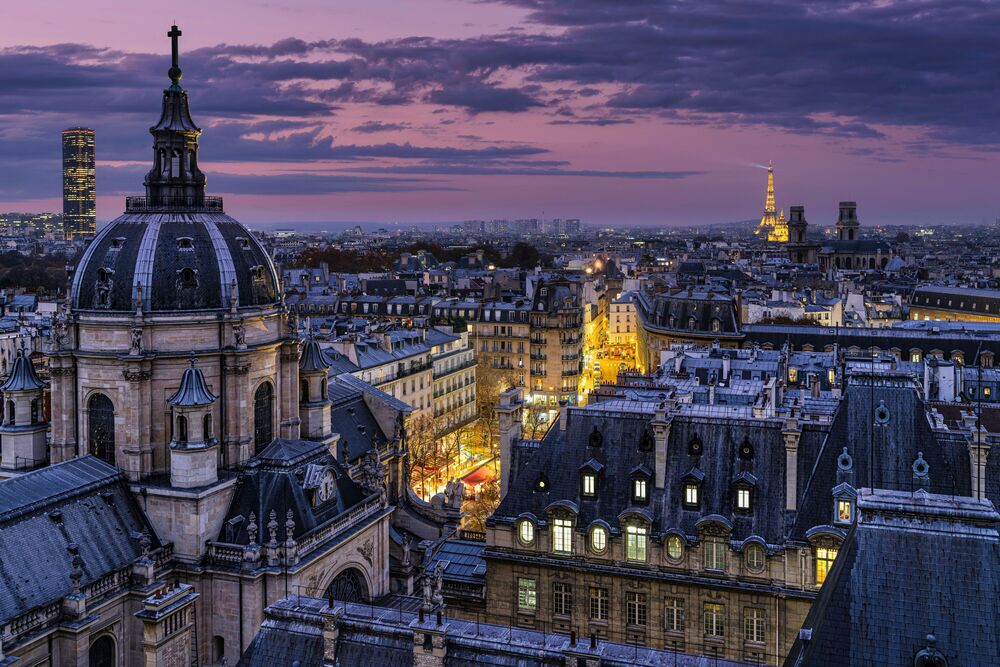
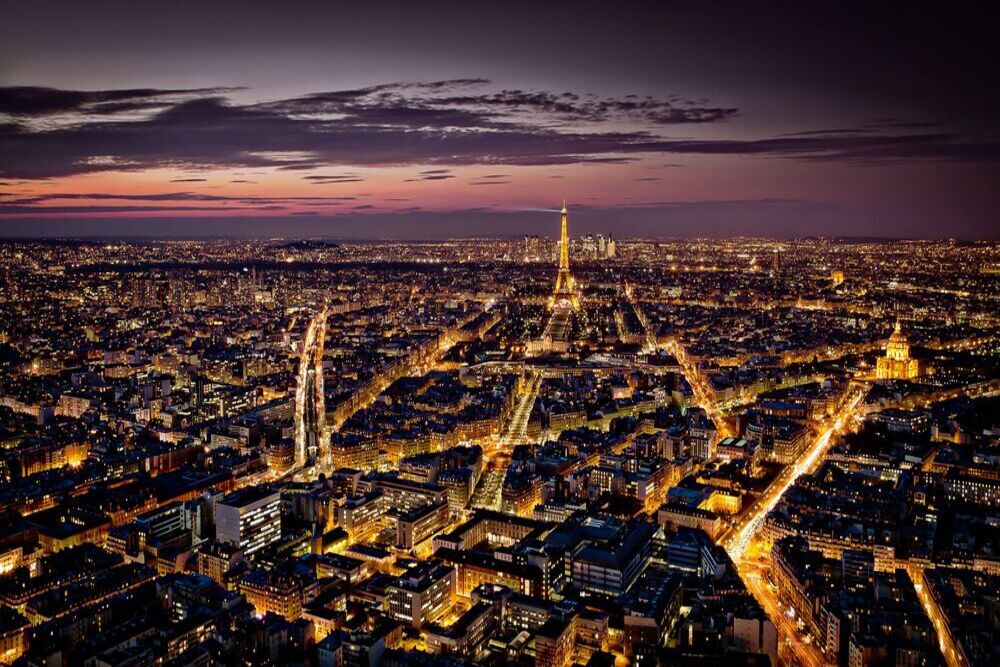
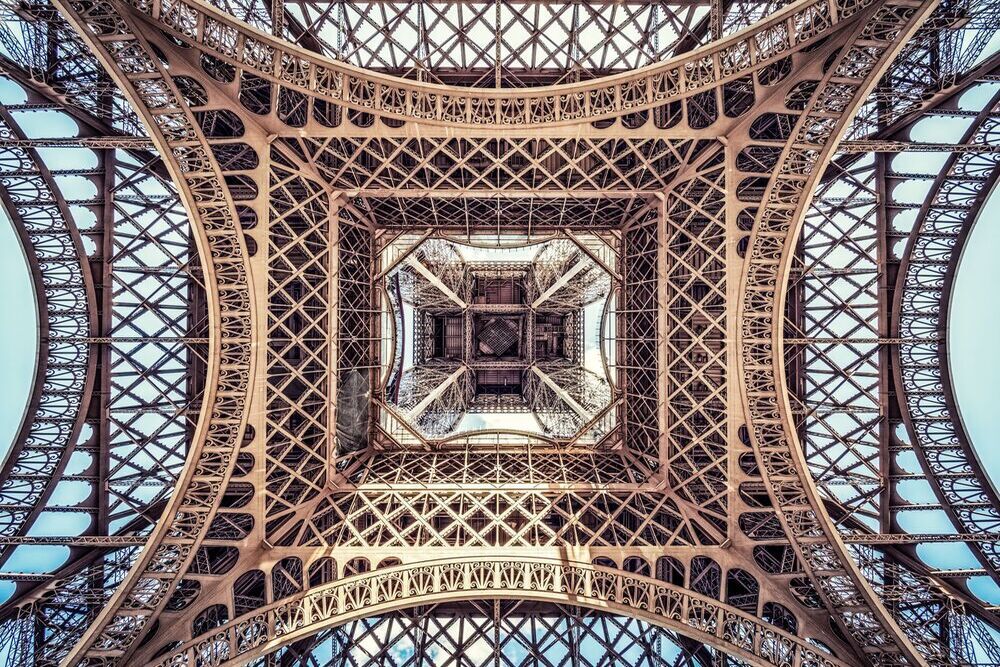
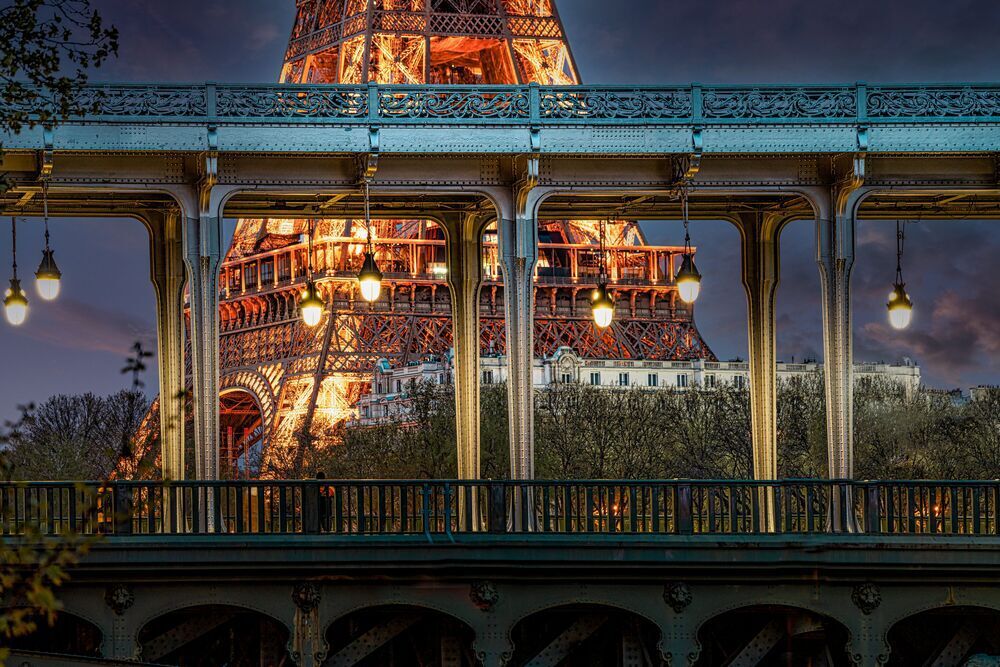
Photographing the Eiffel Tower at night means immersing yourself in a unique nocturnal atmosphere, where every light sculpts the metallic structure of one of the most iconic monuments in the world. The golden and sparkling illuminations transform the Iron Lady into a living work of art, offering photographers endless creative possibilities. The contrast between light and shadow creates a captivating visual spectacle, perfect for highlighting the monument’s lines and symmetry.
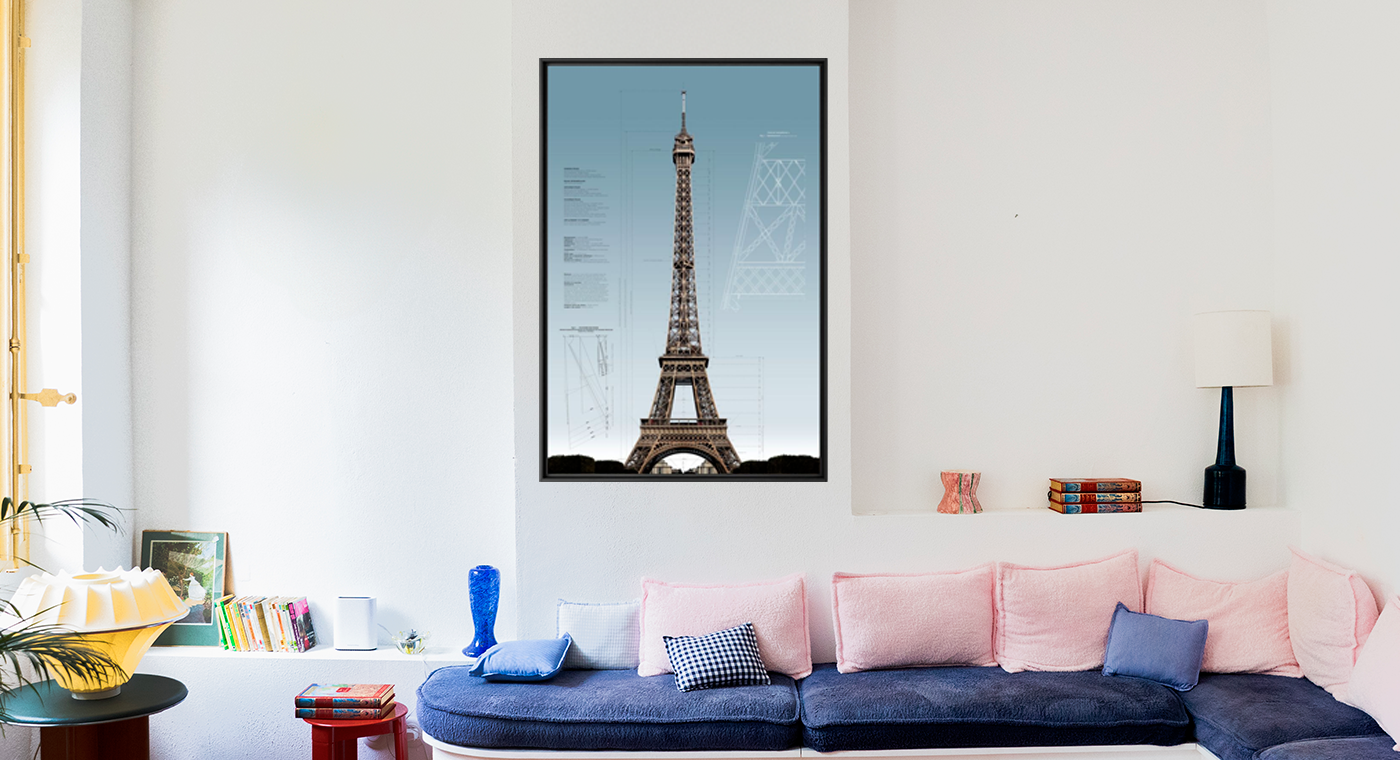
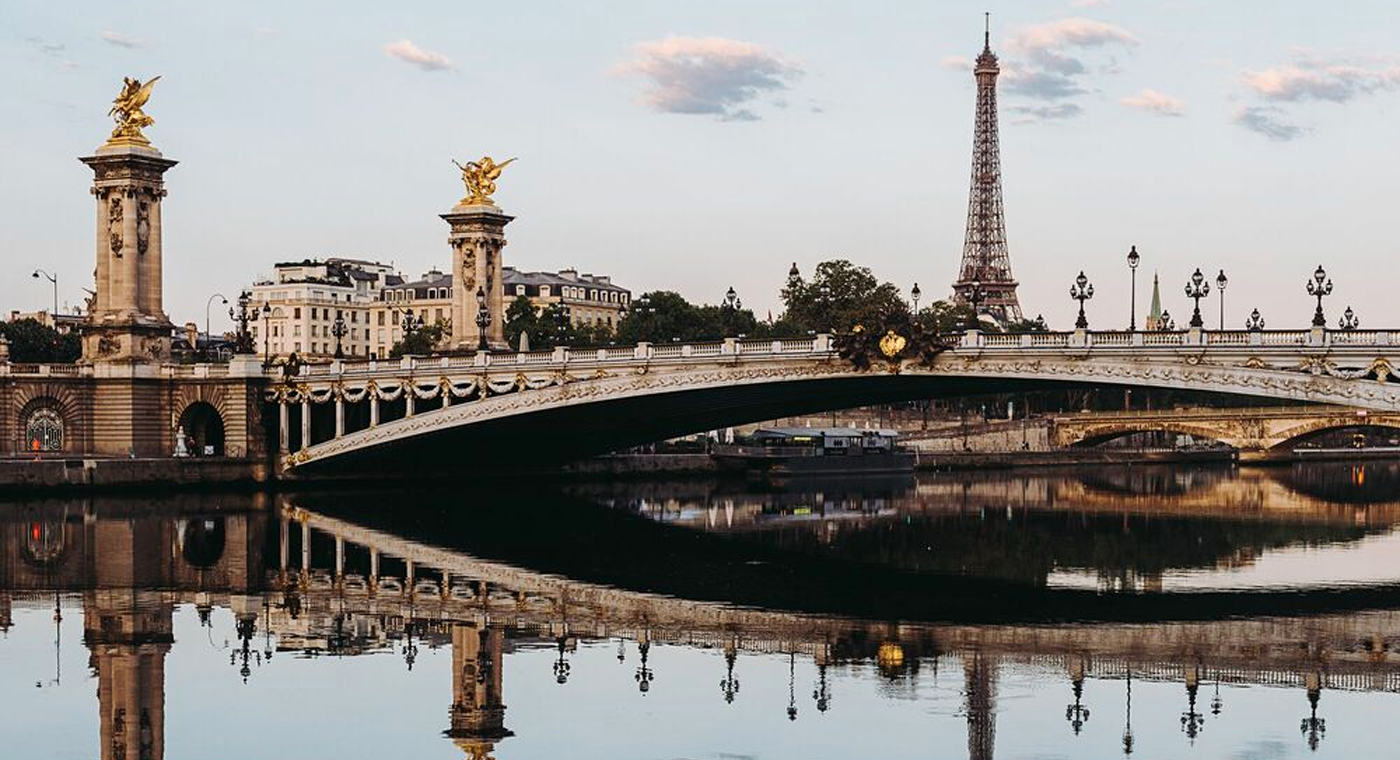
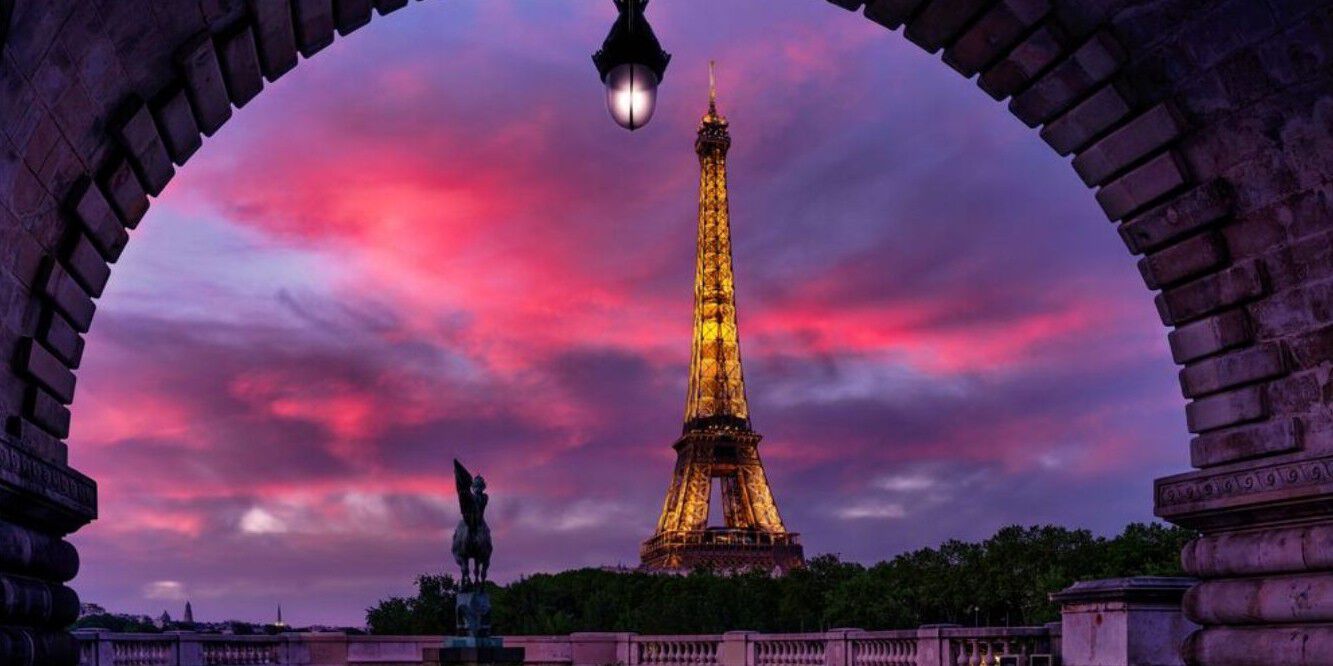
Each evening, as the lights shimmer, reflections appear on the Seine, inviting you to experiment with various compositions and perspectives. Don’t hesitate to include a foreground element—a lamppost, a passerby, or a reflection on the water—to add depth and guide the viewer’s gaze. For inspiration, explore YellowKorner’s Eiffel Tower collection, a rich source of ideas to capture the poetic spirit of Paris by night.
Technical challenges of night photography
Night photography requires mastering the constraints of low light. Risks of camera shake, digital noise, and underexposure are higher. It is therefore essential to manage your shutter speed, aperture, and ISO sensitivity to achieve sharp, balanced images. Accurate focusing, stable tripod setup, and careful composition are key to avoiding the common pitfalls of night photography.
1. Choosing the right equipment for night photography
The right camera and lenses
A camera with good ISO performance and wide dynamic range helps capture the bright highlights of the illuminations. For lenses, switch between a bright wide-angle (24 mm, 20 mm, or even 16 mm) for full-scene shots and a longer focal length (50–135 mm) to isolate graphic details of the Eiffel Tower. Favor wide apertures (f/1.8 to f/2.8) when shooting handheld, and narrower settings (f/5.6 to f/11) on a tripod to achieve edge-to-edge sharpness and greater depth of field.
The importance of a tripod to stabilize your shots
The tripod is the cornerstone of night photography equipment. It allows you to use slow shutter speeds (1s, 2s, 10s, or more) without blur, to compose precisely, and to explore creative effects such as long exposures for smoothing the Seine, car light trails, or starbursts from lampposts. Add a remote shutter release or use the self-timer, and enable mirror lock-up (or electronic shutter) to minimize vibration when pressing the shutter.
Useful accessories for night photography
- Remote trigger or self-timer: to avoid any camera shake.
- Filters (ND, light polarizer): to extend exposure time and enhance reflections on the Seine.
- Small flashlight: to handle your gear easily in the dark.
- Image stabilization: turn it off when using a tripod to prevent unwanted micro-adjustments.
- Blanket or gloves in winter: comfort promotes patience and creativity.
2. Essential settings for successful night photos of the Eiffel Tower
Managing shutter speed
Shutter speed is a key parameter in night photography. A slow speed allows more light to enter and creates motion effects, while a fast one freezes bright details. Finding the right balance depends on the desired effect—whether a soft mood or urban energy.
Aperture and depth of field
Play with the aperture to control depth of field. A wide aperture (f/2.8) isolates your subject and blurs the background, while a smaller one (f/8, f/11) ensures sharpness throughout the scene. This setting is crucial to capture the Eiffel Tower in its nighttime environment.
ISO sensitivity and noise reduction
Managing ISO sensitivity determines the clarity of your images. Increase ISO only when necessary, as too high a value introduces noise. Use your camera’s noise reduction feature and post-process your photos to enhance details without losing texture.
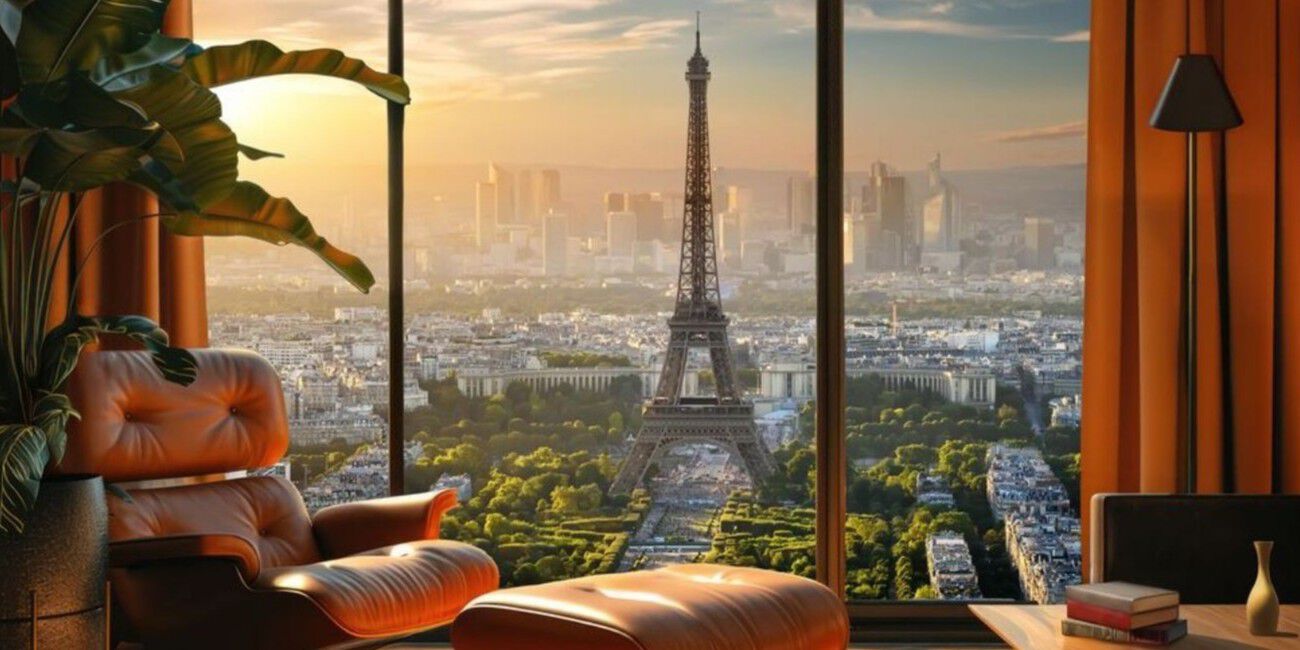
Tips for photographing the Eiffel Tower at night with ease
Preparation and planning your photo session
The success of a night photo depends on good preparation. Check the weather, scout the location in advance, and choose the best time to enjoy optimal illuminations. Careful planning ensures a smooth and inspired shoot.
Respecting image rights and intellectual property
It’s important to know the rules about image rights and intellectual property: while photographing the Eiffel Tower is allowed, commercial use of its illuminations may require authorization. Make sure to verify before publishing.
Safety and awareness during nighttime shooting
Always keep safety and awareness in mind during your nighttime sessions. Protect your equipment, stay aware of your surroundings, and favor well-lit areas. Shooting at night is also about enjoying the calm of Paris while capturing the timeless beauty of the Eiffel Tower.