The Impact of Location and Key Criteria for a Successful Photo
Master the art of wildlife photography and reveal the majesty of the king of the savanna
The Importance of Preparation When Photographing Lions
Understanding Lion Behavior and Habitat
Before setting out to photograph lions, it’s essential to understand their behavior and habitat. These majestic felines are social animals living in groups called prides. Observing them in their natural environment—often in the heart of the African savanna—requires patience, discretion, and respect. Knowing their active hours, typically at dawn and dusk, helps you anticipate the best light conditions for your shots.
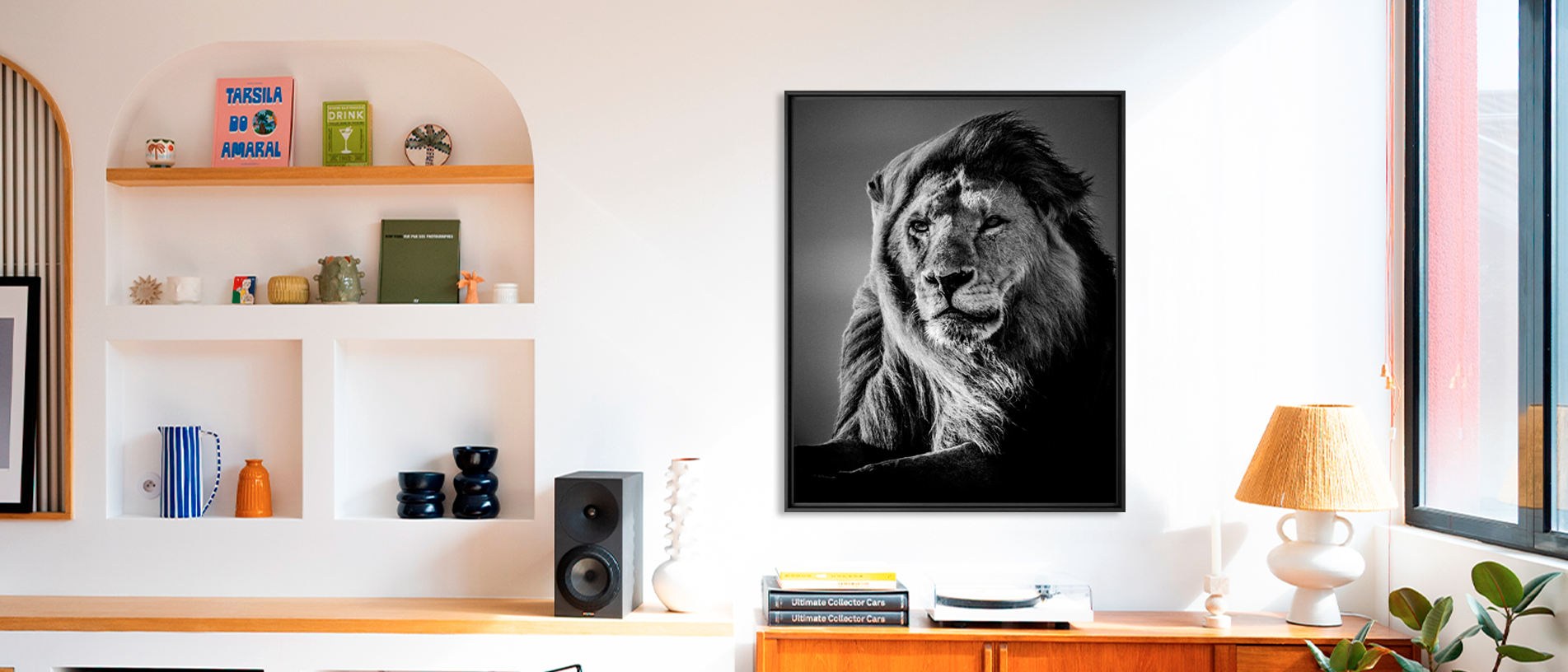
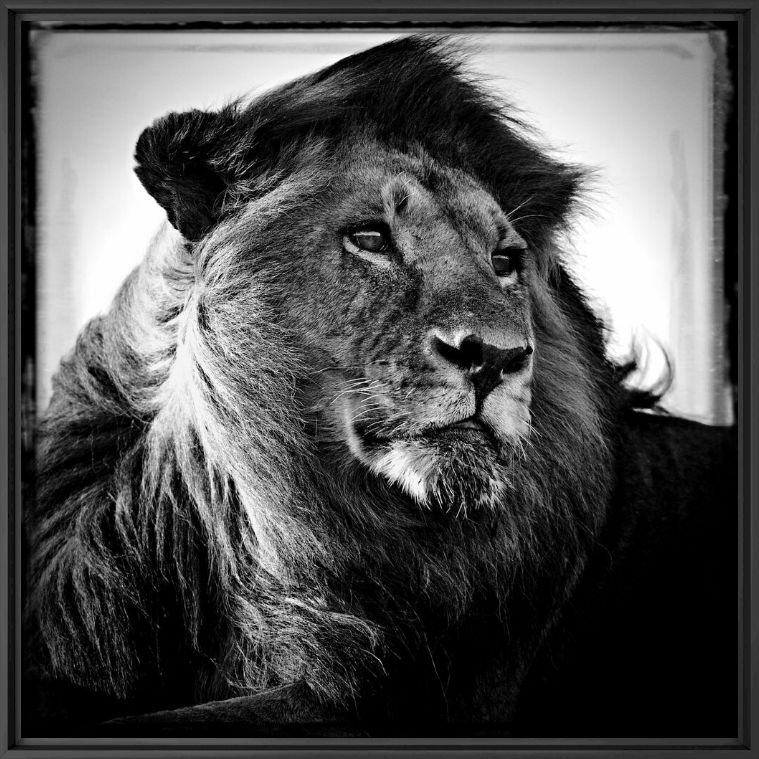
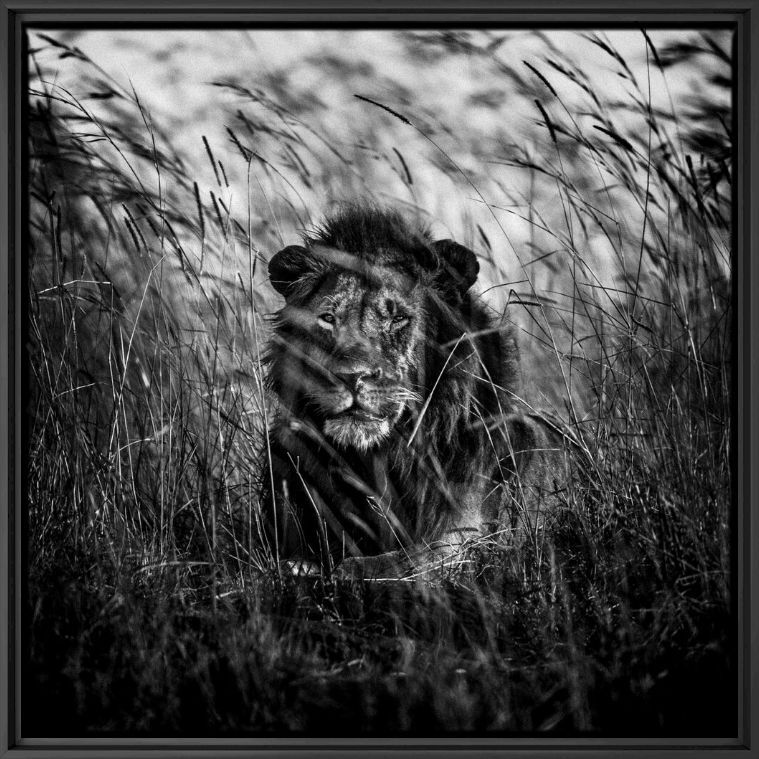
For inspiration, discover our collection of lion photographs and be captivated by the power and nobility of these magnificent creatures.
Choosing the Destination and Best Time to Observe Them
The right destination is key to success. National parks such as the Serengeti, Maasai Mara, or Kruger offer exceptional opportunities to observe lions in the wild. The dry season, typically from June to October, provides the best visibility as animals gather around waterholes. Early morning or late afternoon safaris are ideal, when the light is soft and golden.
To explore other iconic predators, discover our collection of cheetah photography and experience the thrill of the safari through the lens of YellowKorner artists.
Safety and Rules to Follow on a Photo Safari
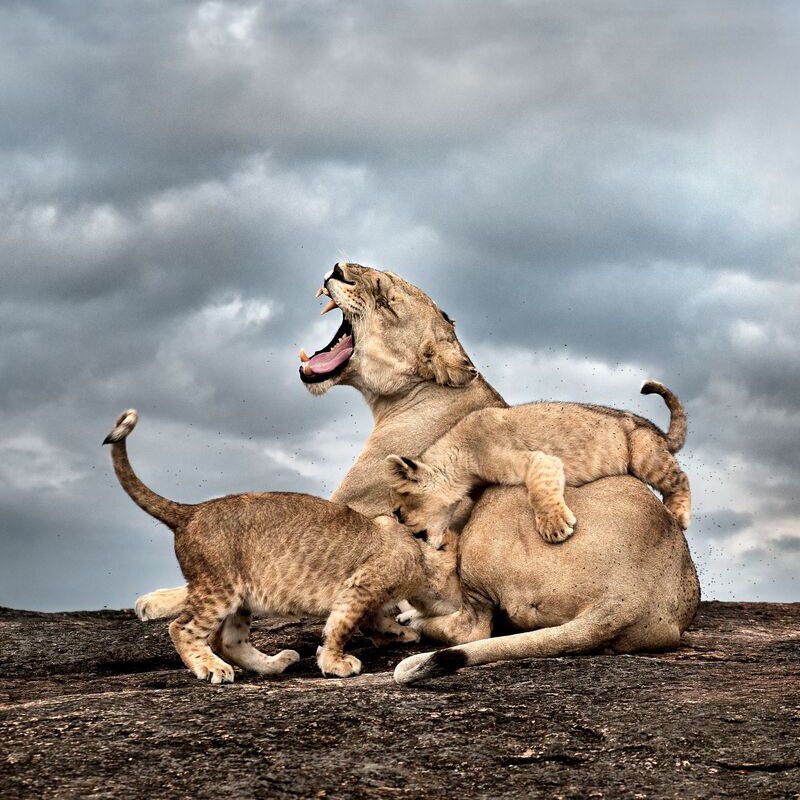
During a photo safari, safety is paramount. Always maintain a respectful distance, never leave the vehicle without permission, and avoid loud noises or sudden movements. Lions are wild animals whose reactions must be observed carefully. Stay calm and patient—the quieter you are, the greater your chance of capturing genuine moments of wild beauty.
To admire other powerful predators, explore our leopard photography collection.
Essential Equipment for Photographing Lions
Cameras and Lenses for Wildlife Photography
A reliable camera and the right lenses are crucial for photographing lions. A telephoto lens (200–600 mm) allows you to capture close details without disturbing the animals. Mirrorless and DSLR cameras with fast, accurate autofocus ensure you don’t miss unpredictable movements. Choose a body with strong ISO performance and dynamic range to handle changing light conditions.
Explore more majestic species through YellowKorner’s wildlife photography collection.
Useful Accessories for Wildlife Photography
Accessories play a crucial role on a safari. Bring a stable tripod or monopod, a dustproof camera cover, and extra batteries. An ergonomic waterproof camera bag keeps your gear safe. Binoculars and polarizing filters can also enhance your observation and photography experience.
Protecting Your Gear from the Elements
Protecting your equipment is often overlooked but essential in harsh conditions. Use waterproof covers and microfiber cloths to shield your camera from dust, sand, and humidity. Avoid prolonged sun exposure in hot environments. Regular cleaning and maintenance ensure your gear remains reliable for every adventure.
Camera Settings and Techniques for Stunning Lion Photos
Managing Shutter Speed and Movement
Shutter speed must match the scene. To freeze a running lion, use a fast speed (1/1000s or faster). For calmer scenes, a slower speed adds smoothness and atmosphere. Adjusting speed based on available light and motion is a core technique for natural-looking images.
Aperture and Depth of Field for Sharp Images
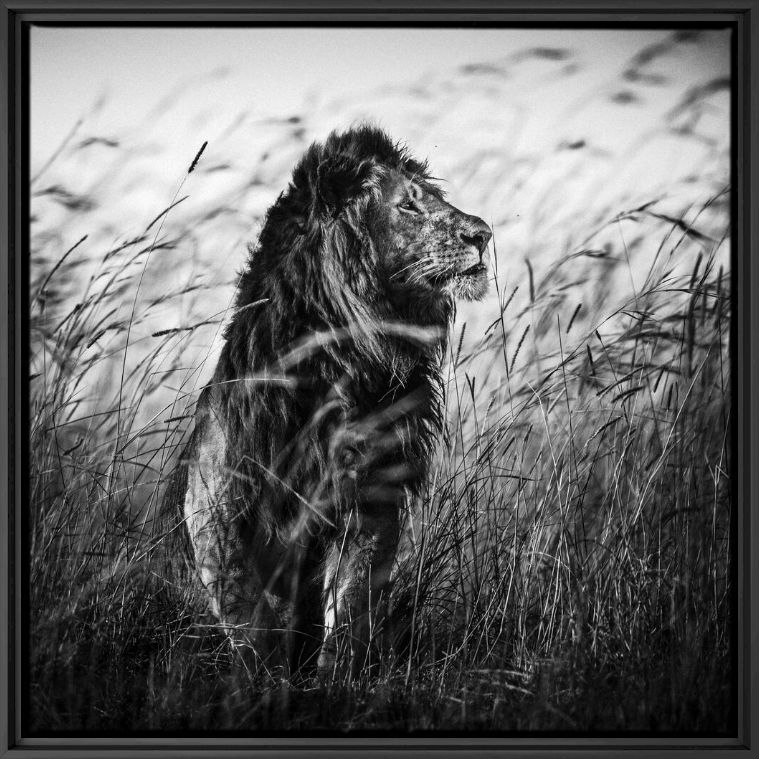
Use aperture creatively to control depth of field: a wide aperture (f/2.8–f/4) isolates your subject, while a narrower one (f/8–f/11) keeps the entire frame in focus. This control highlights your composition and emphasizes the lion’s mane texture under warm evening light.
ISO Sensitivity and Noise Reduction
Managing ISO sensitivity is essential for clean images. Use low values (ISO 100–400) in daylight and raise them only when light is low. A subtle post-processing treatment can enhance details without losing texture.
Burst Mode and Continuous Autofocus (AF-C)
Burst mode and continuous autofocus (AF-C) are indispensable for capturing key moments. These settings ensure sharp sequences, perfect for photographing interactions, leaps, or roars. Keep your framing dynamic and anticipate movement.